
Crash and the Mysterious Phenomenon of VV345 PG
The vast expanses of the universe have always fascinated humankind. Among the myriad of phenomena that occur in the cosmos, one of the most intriguing is the event known as 'crash.' Within this context, VV345 PG emerges as a significant subject of study, drawing the attention of astronomers and space enthusiasts alike.
Understanding the Concept of 'Crash'
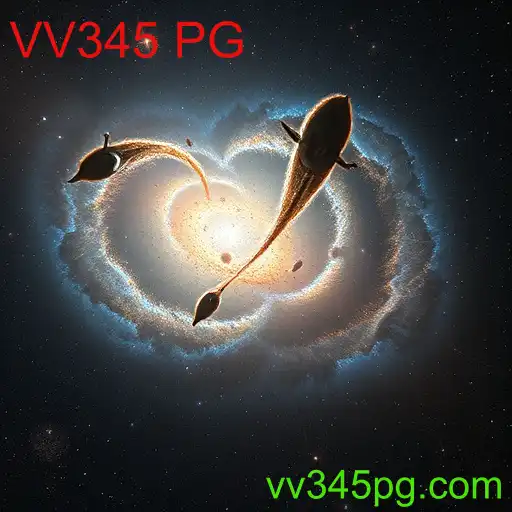
In astronomical terms, a 'crash' typically refers to the collision or interaction between cosmic bodies. This can involve galaxies, stars, or other celestial entities. These events are pivotal in shaping the cosmos, leading to the formation of new structures, triggering star formation, and often generating spectacular visual phenomena observable from Earth.
The Significance of VV345 PG
VV345 PG is a distinctive subject within this realm. Its study offers valuable insight into the dynamics of galaxy interactions. As galaxies collide and merge, they can give birth to new star systems, significantly altering the cosmic landscape. Observing such events helps astronomers understand the evolution and lifecycle of galaxies.
The Dynamics of Galactic Collisions
When galaxies like those related to VV345 PG collide, the gravitational forces at play are immense. These interactions are gradual, often spanning millions of years. During this period, galaxies pass through each other, disrupting the orbits of stars and leading to the formation of tidal tails—streams of stars and gas that are pulled from the interacting galaxies. These tails can stretch vast distances, thousands of light-years into space, creating awe-inspiring structures.
Star Formation Induced by Galactic Collisions
The collision processes involving VV345 PG can compress gas clouds within the galaxies, triggering new star formation. These regions, known as starburst regions, appear as bright spots within the galaxies. The intense activity in these zones is due to the rapid birth of massive stars. These stars, although short-lived, have significant impacts on their surroundings, enriching the interstellar medium with heavy elements when they end their life cycles.
Observing VV345 PG: Challenges and Techniques
Studying phenomena like VV345 PG requires advanced observational techniques. Telescopes equipped with infrared capabilities are essential for penetrating the dust that often obscures these interactions. Additionally, radio and X-ray observations provide complementary data, offering a more comprehensive understanding of these complex events. The use of space-based telescopes, free from the distortion caused by Earth’s atmosphere, further enhances the clarity and detail of these observations.
The Role of VV345 PG in Cosmic Evolution
The study of VV345 PG and similar phenomena is crucial in the context of cosmic evolution. Such events are not isolated incidents but rather essential processes in the life cycle of galaxies. Understanding these interactions contributes to a broader comprehension of the universe’s history and its ongoing development.
Conclusion
Exploring the concept of 'crash' within the cosmos, particularly events involving VV345 PG, unveils the dynamic nature of the universe. These phenomena not only captivate our imagination but also push the boundaries of scientific knowledge, inviting us to continuously explore the mysteries that lie beyond our world. For those keen to delve deeper into such cosmic wonders, more information can be found on various platforms, expanding one's understanding of the universe’s intricate tapestry.